Safe Driving with Extendable Trailers (Tips, Risks & Best Practices)
Comprehensive safety guide for extendable semi trailers: driving techniques, turning radius, load securing, braking, and maintenance for long loads.
Driver Safety Focus Fleet Operations
📅 Published on 2025-11-06 | ✍️ Semi Trailer News Technical Desk
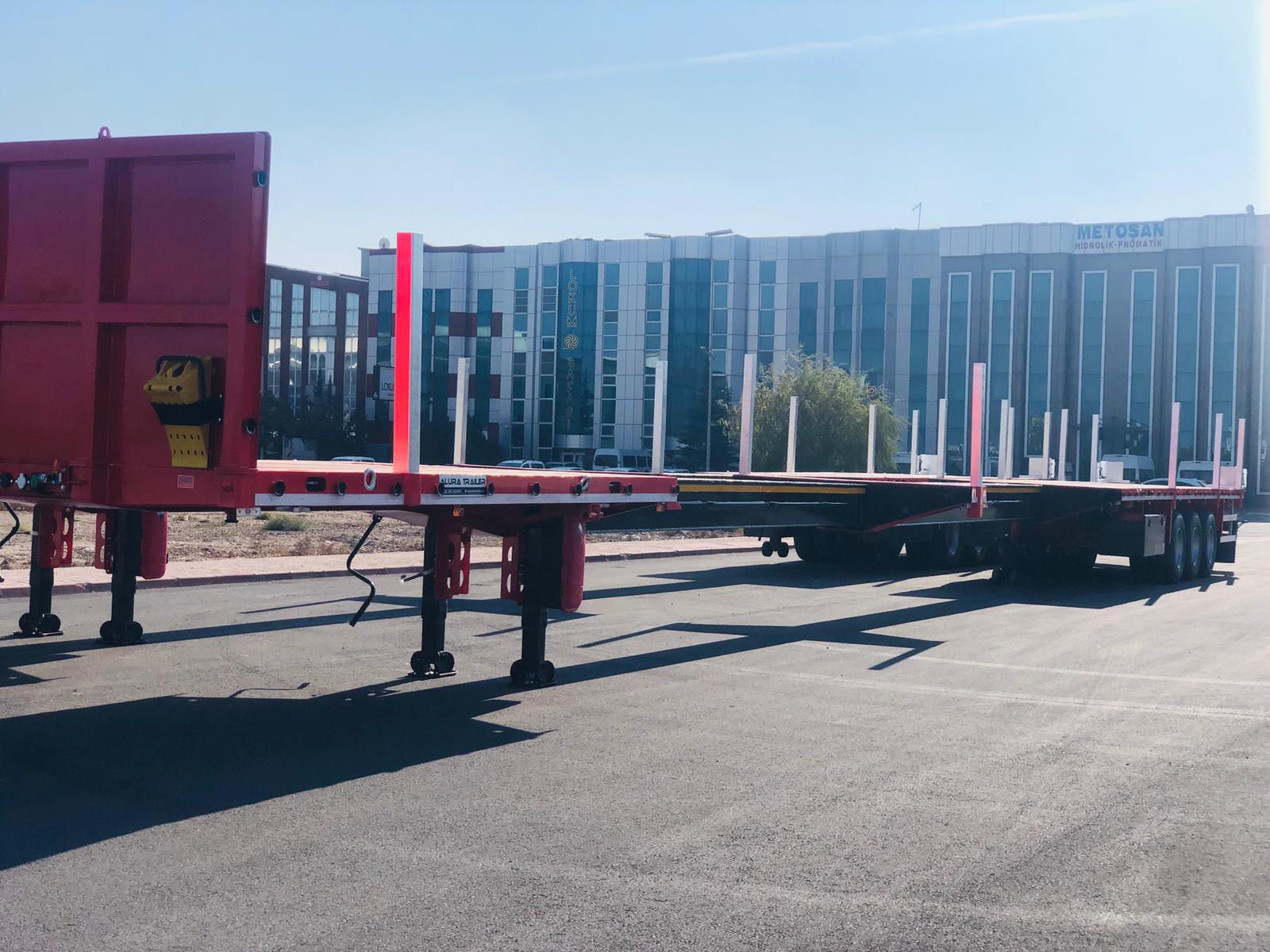
Image: Extendable semi trailer transporting long cargo with escort vehicle
🔹 Understanding Extendable Trailers
Extendable semi trailers are designed to carry long loads such as wind turbine blades, bridge beams, or steel pipes. Their telescopic chassis can reach 20–30 meters, which provides flexibility but also increases the risk of misalignment, tail swing, and braking imbalance.
✅ Pre-Trip Inspection
- Check extension locks and ensure hydraulic pins are fully engaged.
- Inspect brake air lines and electrical cables after any chassis movement.
- Verify turntable and kingpin connection tightness.
- Ensure warning lights, markers, and escort permits are present.
✅ Load Securing & Weight Distribution
- Keep the center of gravity within axle spread limits.
- Use load binders, chains, and tension belts for rigid materials.
- Place anti-slip mats under cargo to reduce lateral shift.
- Mark overhanging load ends with reflective flags or lights.
⚙ Turning & Maneuvering Techniques
- Take wider turns to prevent rear-end swing and curb hits.
- Utilize steerable axles for narrow sites.
- Use spotters or mirrors to monitor rear swing in tight roads.
- Slow down before turning — sudden steering increases rollover risk.
🧭 Braking & Downhill Control
- Ensure brake synchronization between tractor and trailer.
- Engage engine brake or retarder on slopes; avoid continuous pedal braking.
- Account for longer airline delay after full extension.
- Maintain at least 20–30% extra braking distance compared to standard trailers.
⚡ Electrical & Hydraulic Safety
- Check cable slack and hose tension after chassis extension.
- Never exceed design stroke — ensure hydraulic indicators are visible.
- Verify emergency valves and manual locks work properly.
🧰 Operational Safety Equipment
- Rear warning boards and ADR-compliant flags.
- Beacon lights for oversize transport.
- Escort (pilot) vehicles in urban or cross-border routes.
- Wheel chocks, cones, and reflective safety vests mandatory.
🚨 Common Risks and Prevention
| Risk | Cause | Prevention |
|---|---|---|
| Chassis misalignment | Improper extension or lock failure | Visual lock check every 100 km |
| Load shift | Insufficient securing or slippery surface | Use double chains and anti-slip mats |
| Brake fade | Continuous downhill braking | Use retarder or engine brake |
| Tail swing accidents | Tight turning radius | Escort coordination and wider turns |
📋 Legal & Permit Requirements
- Oversize load permits vary by country and region.
- Escort vehicles mandatory above 25 m total length in most EU states.
- Lighting, reflectors, and rear boards must comply with UNECE & EN standards.
🧾 Maintenance Recommendations
- Grease sliding sections weekly.
- Inspect hydraulic hoses for wear or leaks.
- Clean guide rails and remove debris to avoid jamming.
- Test EBS sensors and retraction locks monthly.
Conclusion:
Driving extendable trailers safely requires extra awareness, technical precision, and consistent checks.
Disciplined inspection, proper weight balance, and cautious turning not only protect cargo but also ensure road safety for all users.