Most Common Problems Facing Semi Trailers
A detailed overview of the most frequent issues affecting semi trailers — from suspension wear and brake failure to electrical faults and cargo damage risks. Includes expert insights on prevention and maintenance.
Fleet Maintenance Technical Advisory
📅 Published on 2025-11-07 | ✍️ Semi Trailer News Technical Desk
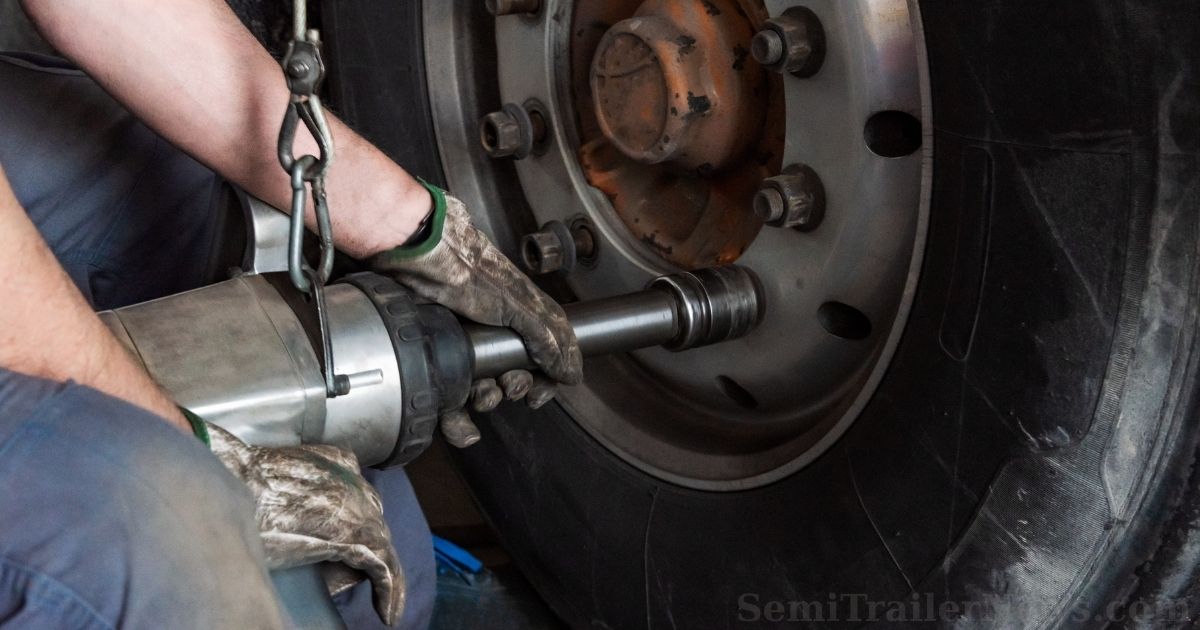
Image: Technician inspecting semi trailer components before operation
🔹 1. Suspension System Failures
Suspension systems — especially on heavy-duty trailers — experience extreme stress from uneven loads, poor road surfaces, and overloading. Common issues include broken leaf springs, worn bushings, and cracked hangers. These problems lead to axle misalignment and premature tyre wear.
- Regularly inspect suspension components for fatigue cracks or rust.
- Grease pivot points and check U-bolts after each long trip.
- Avoid excessive overloading, which accelerates spring failure.
🔹 2. Brake System Malfunctions
Brake imbalance, air leaks, and worn linings are among the top causes of trailer downtime. Inadequate maintenance or contamination from dust and oil can reduce braking performance and safety.
- Perform air pressure leak-down tests weekly.
- Keep automatic slack adjusters properly calibrated.
- Replace worn brake drums and shoes before reaching minimum thickness.
🔹 3. Tyre & Wheel Problems
Tyres are one of the most expensive consumables for fleets. Underinflation, misalignment, and poor weight distribution contribute to blowouts and irregular wear patterns.
- Check tyre pressure before every trip and maintain manufacturer-recommended PSI.
- Rotate tyres periodically to balance wear.
- Ensure axle alignment after suspension or kingpin repair.
🔹 4. Electrical Faults
Faulty lighting and wiring are frequent issues, especially in harsh climates. Moisture ingress, corrosion, or poorly protected cables lead to signal failures and short circuits.
- Use waterproof connectors and inspect grounding points regularly.
- Protect wiring harnesses with flexible conduit and avoid loose routing.
- Replace incandescent bulbs with sealed LED systems for longevity.
Electrical Converter (kW ↔ A, 3-phase)
Current: 0 A
🔹 5. Structural Damage & Cracks
Frame twisting, cracked crossmembers, and damaged kingpins can occur after years of loading stress. Such defects can compromise safety and require immediate professional inspection.
- Visually inspect chassis welds and joints every 10,000 km.
- Repair any cracks using approved welding methods to avoid stress concentration.
- Document all maintenance for compliance with fleet safety standards.
🔹 6. Cargo Containment & Door Issues
Improper door sealing, latch wear, and hinge misalignment cause water ingress and load security problems. This is especially problematic in reefer trailers or sensitive cargo transport.
- Lubricate hinges and locking bars monthly.
- Inspect door seals and replace if cracked or brittle.
- Check floor integrity for signs of corrosion or delamination.
💡 Preventive Maintenance Approach
Most trailer failures occur due to deferred maintenance rather than design defects. Establishing a strict inspection schedule, proper record-keeping, and staff training significantly reduce repair costs and downtime. Leading manufacturers like Alura Trailer emphasize design optimization for durability, but consistent care remains essential for long-term fleet efficiency.
Conclusion:
Semi trailers operate under harsh conditions that demand regular attention. By proactively addressing suspension, brake, tyre, and electrical systems, fleet owners can ensure reliability, extend lifespan, and maintain cargo safety.
Heavy Truck & Semi-Trailer Tyre Pressure Calculator
Convert PSI ↔ BAR, calculate load per tyre, and get a pressure recommendation based on tyre size, axle load, and operating conditions.