Air Suspension vs Mechanical Suspension in Heavy Trailers — Performance, Maintenance & Cost

Detailed comparison of air and mechanical suspension systems for semi trailers. Learn which suspension type suits your transport conditions, including load distribution, ride comfort, maintenance, and cost analysis.

Suspension Systems Fleet Engineering
📅 Published on 2026-07-18 | ✍️ Semi Trailer News Technical Desk

Air vs Mechanical Suspension on Semi Trailers

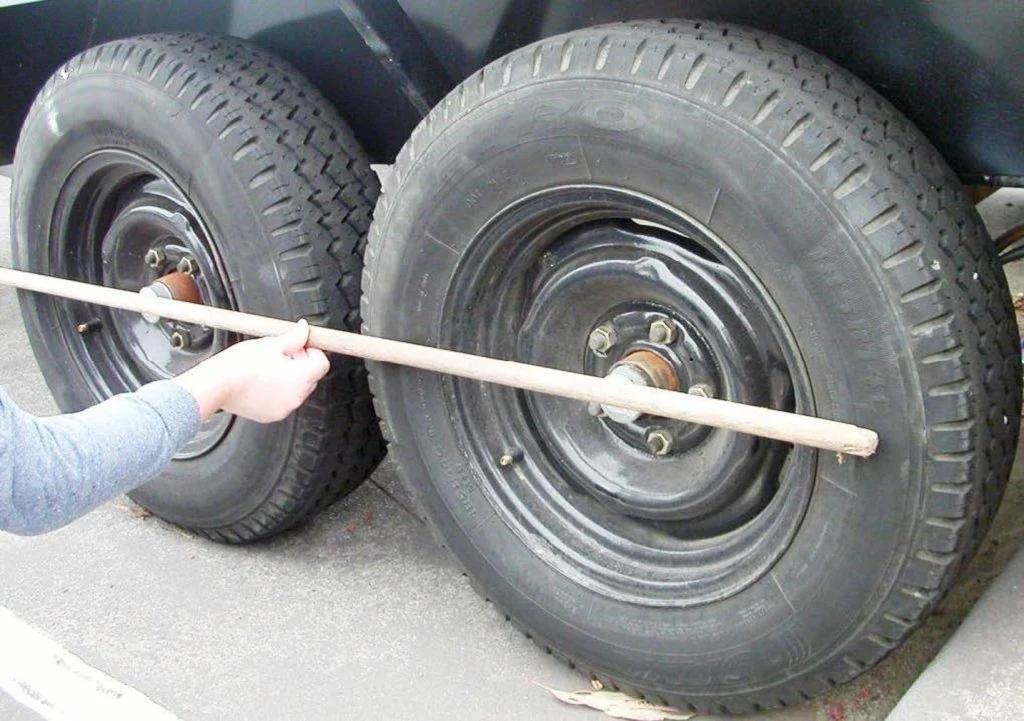
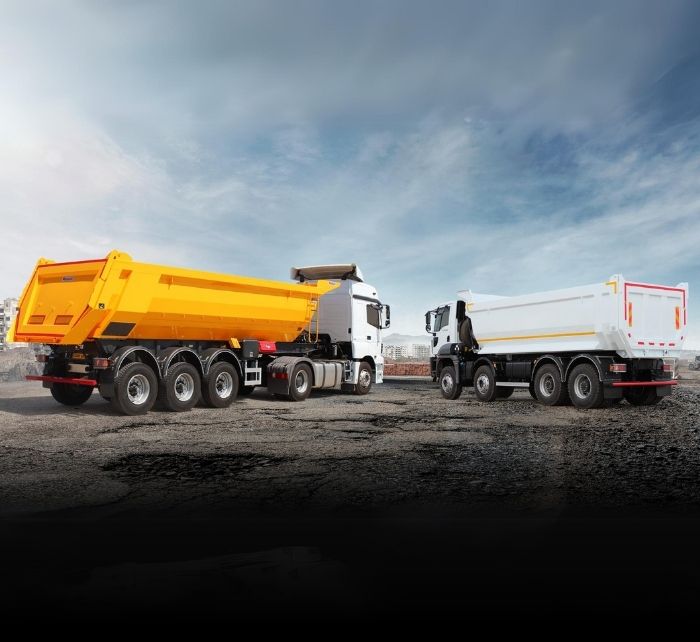
Image: Comparison of air and mechanical suspension setups on heavy-duty semi trailers

Overview

Suspension systems are one of the most critical structural and dynamic components in a semi trailer. They determine how load is transferred to the axles, how forces are absorbed from the road surface, and how stress is distributed across the chassis.

The two dominant configurations — air suspension and mechanical suspension — reflect different engineering philosophies. One prioritizes adaptability and ride control, the other prioritizes structural simplicity and durability. Choosing between them requires understanding operational environment, load characteristics and total lifecycle cost.


Sponsored

Premium Semi Trailers from Turkey – Alura Trailer

If you are looking for high-quality new semi trailers manufactured in Turkey, you can visit Alura Trailer. The company produces lowbeds, flatbeds, extendable trailers, tankers, tippers, and mobile workshops built with European components and export-grade engineering.

Alura Lowbed Trailer Alura Flatbed Semi Trailer Alura Heavy Duty Lowbed

Load Transfer Mechanics – How Suspension Distributes Force

Suspension systems do not only absorb vibration; they define how vertical and longitudinal forces are transmitted from tyre contact patches into the chassis structure.

Under braking, acceleration and cornering, load shifts dynamically between axles. The suspension geometry determines whether this load is distributed progressively or concentrated abruptly.

Engineering balance between vertical compliance and longitudinal stiffness is critical for axle life and tyre wear optimization.


Mechanical Suspension

Mechanical suspension typically relies on a multi-leaf spring assembly, supported by hangers, torque arms and equalizer beams. It is mechanically straightforward and structurally robust.

Key characteristics include:

Because it contains fewer moving pneumatic components, mechanical suspension is less sensitive to environmental factors such as dust, humidity or air system leaks. This makes it particularly suitable for mining, quarry and agricultural routes.


Air Suspension

Air suspension systems use air bellows, height-control valves, sensors and linkages to maintain consistent ride height regardless of load variation. This allows the trailer to adapt dynamically to changing cargo weight.

Engineering advantages include:

However, air suspension systems require periodic inspection of:

Failure in pneumatic components can directly affect ride height and axle load balance.


Torsional Frame Interaction

Suspension choice directly affects chassis torsional response. Mechanical systems create a stiffer vertical connection, while air systems introduce additional elastic compliance.

In long-haul operations, lower torsional stress amplitude can significantly reduce micro-crack initiation in structural joints.


Dynamic Performance Comparison

From a dynamic engineering perspective:

For long-haul highway fleets, reduced vibration translates into:


Roll Stability & Center of Gravity Considerations

Suspension stiffness influences lateral roll behavior. Higher roll stiffness improves stability but increases shock transfer. Lower roll stiffness improves comfort but may increase body roll under high center-of-gravity loads.

In tanker or high-CG cargo applications, roll behavior becomes a primary engineering parameter.


Maintenance Comparison

AspectAir SuspensionMechanical Suspension
Initial CostHigherLower
Maintenance ComplexityMedium (air leaks, valves, sensors)Low
Best TerrainHighways & long haulRough / mining / agricultural
Ride ComfortExcellentFirm
Tyre WearLower due to balanced loadHigher on uneven terrain
WeightLower in modern designsHigher

Structural Fatigue Consideration

Suspension choice also influences long-term fatigue behavior. Air suspension reduces peak vibration amplitude, which can slow crack initiation in cross-members and weld zones.

Mechanical systems, while structurally durable, may transmit higher peak shock loads during empty travel. On extremely rough terrain, however, mechanical assemblies often outlast pneumatic systems due to simplicity.


Axle Load ↔ Air Pressure Converter (bar ↔ kg)

This converter provides a practical reference for fleet operators adjusting air suspension pressure in response to changing axle loads. Note that values vary by bellow size and manufacturer — this is an approximate engineering reference.


Total Lifecycle Cost Engineering Perspective

Suspension selection should be evaluated over total operational lifecycle, not just acquisition cost.

Cost ElementAir SuspensionMechanical Suspension
Initial InvestmentHigherLower
Fuel Efficiency ImpactLower rolling resistanceHigher tare weight
Tyre Replacement FrequencyLowerModerate
Downtime RiskMedium (air leaks)Low
Resale ValueHigher in export marketsStable

Fleet operators often recover higher initial cost of air suspension through tyre savings and structural fatigue reduction over high annual mileage.


Which One Should You Choose?

Decision criteria should include:


Duty Cycle Decision Matrix

Selecting suspension type should be based on operational duty cycle rather than preference.

Operational ProfileRecommended SuspensionReason
International long-haulAirReduced fatigue & tyre wear
Mining / quarryMechanicalRobustness & simplicity
Mixed logisticsHybrid strategyBalance of cost & comfort
Tanker / high CG loadsAir with stability tuningHeight & roll control

Engineering-based selection reduces structural stress, downtime, and long-term operational cost.


Final Thoughts

Both air and mechanical suspension systems are technically mature and globally deployed. Mechanical suspension leads in simplicity and structural ruggedness. Air suspension leads in ride refinement and axle load management.

The optimal choice is not universal. It depends on operating environment, cargo sensitivity, maintenance discipline and total lifecycle cost strategy.

In modern fleet management, suspension selection is not merely a comfort decision — it is a structural, financial and operational strategy.

Sponsored supplier — Affiliate disclosure: We may earn a commission
Ranger R76/DST HV Changer & Balancer Set

Ranger R76/DST HV Changer & Balancer Set

Heavy-duty tyre changer and wheel balancer set for fleet maintenance and professional workshops.

View Equipment →

Air vs Mechanical Suspension – Quick Engineering Answers

Which suspension is better for long-haul transport?

Air suspension. It reduces vibration amplitude, balances axle loads dynamically, lowers tyre wear and improves structural fatigue performance over high mileage.

Which suspension is more durable in mining conditions?

Mechanical suspension. Its simple leaf-spring and equalizer design tolerates dust, shock loading and rough terrain with minimal pneumatic dependency.

Is air suspension more expensive to maintain?

Yes. Air bellows, height-control valves and air lines require periodic inspection. However, tyre savings and reduced structural fatigue may offset the cost.

Does suspension type affect fuel efficiency?

Indirectly. Air suspension can reduce rolling resistance through improved load equalization, while mechanical systems may carry slightly higher tare weight.

Which system reduces chassis fatigue?

Air suspension generally lowers peak vibration transfer, potentially slowing weld crack initiation under highway duty cycles.

Can mechanical suspension handle high center-of-gravity loads?

Yes, but air suspension with height control offers better roll optimization and center-of-gravity adjustment for tanker or tall cargo operations.

Engineering Bottom Line

Mechanical suspension prioritizes robustness and simplicity. Air suspension prioritizes dynamic control and lifecycle efficiency. Selection should be based on duty cycle, terrain severity, annual mileage and maintenance capability — not initial price alone.

Engineering tool

Axle Load Calculator

Calculate axle load distribution based on trailer geometry.

Open tool →
Engineering tool

Truck Overpay Check

See whether a truck configuration is over- or under-specified.

Open tool →
Share

🔗 Related Articles